

The Evolution of Website Design: From Static Pages to Dynamic Experiences
Updated: Apr 3, 2025
The Era of Static Web Pages
Early Internet Landscape
Imagine the internet of the 1990s—dial-up modems, text-heavy pages, and images that took forever to load. Back then, the web wasn’t the vast universe it is today with billions of connected devices. Instead, it was a small world predominantly occupied by academics, researchers, and curious tech enthusiasts. During these early years, websites comprised simple, static HTML pages that acted as digital flyers or brochures.
Web design was considered an experimental platform, largely navigated by a few pioneering developers. Web-consumer expectation was minimal. Most users were just thrilled to see content displayed on their monitors, fostering a novel experience that gave birth to the World Wide Web as we know it. Essentially, these static websites were a testament to human innovation, paving the way for what's possible in our digital era.
Fundamental Characteristics of Static Pages
Static web pages were, by definition, unchanging. They were built using plain HTML code and every page required individual coding. Here are some fundamental characteristics that defined this era of web design:
- Simplicity: Static pages were straightforward. They were composed of HTML files stored on a web server and displayed to the users as simple text and images. There were no server-side operations to enhance interaction or user experience.
- Fixed Content: The content of a static page was hard-coded and couldn’t be updated without manual coding changes. Every update required the developer to alter the page's code directly.
- Limited Interactivity: Interactivity was minimal—no dropdown menus, no slideshows, and certainly no real-time updates. Websites back then were all about delivering essential information without much in terms of user involvement.
- Ease of Development: Given their simplistic nature, static sites were relatively easy and cost-effective to develop. They were perfect for small businesses or individuals looking to establish an online presence with minimal resources.
While the early internet era offered limited dynamism, it served as the perfect breeding ground for future developments that revolutionized web experiences.
The Advent of Dynamic Web Development

Website design continues to evolve with the influence of modern trends that enhance not just aesthetics but also functionality and user experience. These trends are often inspired by changing technology and user behavior patterns.
Minimalism and Flat Design - The evolution of website design
Remember when sites were filled with flashy graphics, colorful backgrounds, and a dizzying array of fonts? While entertaining, this approach often overwhelmed users. Minimalism shifted the trend toward simplicity and functionality.
Minimalist design embraces the notion that less is more. With clean lines, ample white space, and good-old typography, websites now focus on delivering messages clearly and effectively. Flat design complements this by removing any illusion of three-dimensionality, avoiding gradients or textures, and using simpler graphical elements that enhance speed and load times.
This streamlined approach not only makes websites easier to navigate but also helps to guide users towards calls to action (CTAs) without distraction. Simplicity often speaks volumes and can significantly enhance user experience by reducing cognitive overload.
The Shift Towards Mobile-First Approaches
As the number of mobile users surpassed desktop users, it became crucial for websites to adopt a mobile-first approach. What does this mean? Instead of designing for large screens and then shrinking those features down, developers now think small first.
This approach ensures that websites perform beautifully on mobile devices, focusing on essentials like speed, accessibility, and usability. Mobile-first design embraces touch input rather than mouse clicks, tailoring user interfaces to work seamlessly with the swipes and taps typical of mobile interactions.
With mobile devices taking the center stage, website features are now developed with speed and efficiency in mind. And since search engines also reward mobile-friendly sites with higher rankings, businesses can enjoy increased visibility through mobile-first strategies.
The Integration of AI and Machine Learning
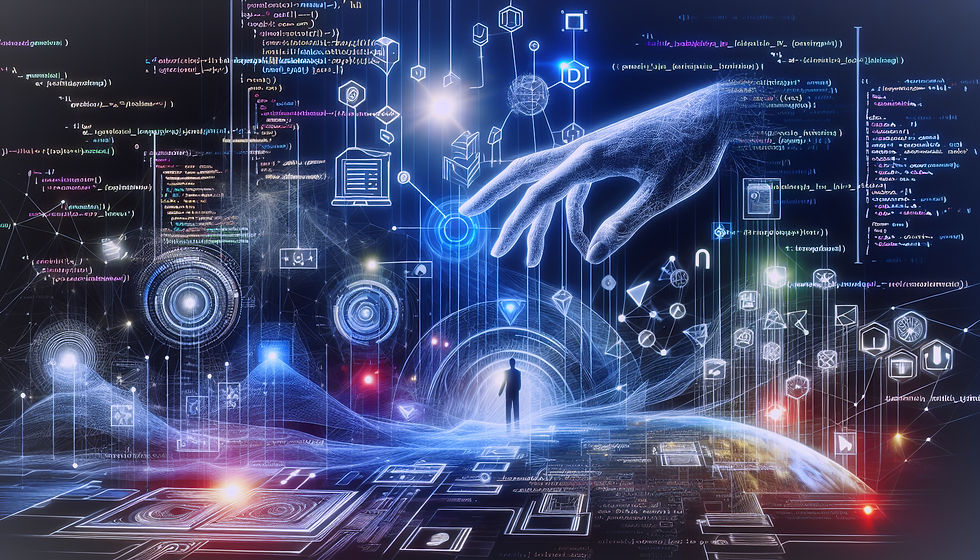
The future is now, and AI is a big part of it. Artificial intelligence and machine learning are increasingly being woven into the fabric of website design, enhancing both front-end and back-end operations.
For starters, chatbots powered by AI have revolutionized customer service on websites. These virtual assistants operate 24/7, providing instantaneous responses to user inquiries and improving customer satisfaction. But the capabilities of AI extend far beyond customer support.
AI aids in personalizing the user experience more finely and dynamically. Whether it’s recommending blog articles or tailoring marketing strategies in real-time, AI leverages user data to adapt and optimize content delivery. Machine learning algorithms can also analyze user interactions to predict what content users might prefer, making adjustments in real time.
Furthermore, web design itself is becoming more efficient. AI tools are emerging that can automate design suggestions, optimize layouts, and even generate code, accelerating the design-to-production pipeline.
In conclusion, the evolution of website design is a testament to how far we've come in creating immersive and interactive digital experiences. With constant technological advancements and shifting user behaviors, it's exciting to think about what's next on the horizon. Responsive design, minimalistic aesthetics, mobile-first approaches, and the integration of AI will continue to shape the future, leading us into uncharted territories where the web becomes even more dynamic and personalized. So buckle up, the ride isn't over yet—it's just getting started!
Conclusion
The journey from static web pages to dynamic websites has been nothing short of extraordinary. As technology continues to advance, website design will undoubtedly keep evolving. This evolution will likely bring even more engaging and interactive experiences for users. Designers now need to not only focus on visual appeal but also consider user experience, accessibility, and adaptability. Think of web design as a continually spinning cog in the digital machine, always striving to better connect people in this web-driven world.


Comments